

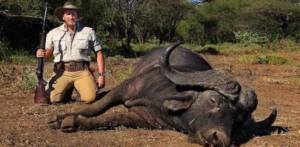
There’s something that happens when you’re deep into tracking an elk through timber. Your legs burn. The altitude makes your lungs work harder than they should. Big game hunting strips away everything comfortable about modern life and forces you to deal with genuine uncertainty. Wild places don’t care about your plans or whether you succeed. That’s exactly the point.
Building Resilience
Mountains don’t negotiate. You push through that final climb before dark or you make camp and try again tomorrow. What’s interesting is how this changes the way people handle regular life. Spending nights in a tent when it’s freezing tends to shift your perspective on office problems. The inbox doesn’t seem overwhelming when you’ve navigated unfamiliar territory with just a compass. This isn’t the resilience you read about in self-help books. It’s earned through cold, wet, exhausted hours where quitting would be easier.
Conservation Connection
Hunters often notice environmental changes before anyone else does. When you return to the same drainage every year, you spot things. The wildflowers that aren’t there anymore. Migration patterns that have shifted. Water sources that are shrinking. Big game hunting creates a stake in the land that goes beyond casual concern. A hunter watching a particular mountain range notices beetle kill spreading through pines. They observe how drought affects where animals move. This intimate knowledge turns abstract interest into action because that ecosystem becomes personal.
Cultural Heritage
Sit around a campfire with families who’ve hunted for generations and you’ll hear stories that haven’t changed much in essence. Grandfather’s technique for reading wind currents gets passed down. The year someone got lost and found their way back by following elk trails to water becomes legend. These aren’t just nostalgic tales. They’re functional knowledge wrapped in narrative. Aboriginal Australians understood this deeply with their songlines serving as navigational tools and ecological textbooks. Modern hunting families maintain something similar, though the specifics have evolved with time.
Wilderness Skills
GPS devices fail. Batteries die. Weather turns savage without warning. The hunters who do well are those who’ve developed an almost intuitive sense of their surroundings. They notice how animals behave before storms hit. They understand which plants indicate water sources. They can estimate remaining daylight by sun position alone. These skills feel archaic until you actually need them. Then they become the difference between a difficult situation and a real emergency.
Ethical Food Source
A deer that spent its life roaming free hillsides presents a stark contrast to industrial farming. There’s no antibiotics. No growth hormones. No stress of transport and slaughter facilities. Big game hunting means knowing exactly where your meat comes from because you were there. You field dress the animal yourself. Process the meat. Understand the entire journey from mountain to table. This connection to food production has largely disappeared, and its absence shows in how disconnected most people feel from what they eat.
Economic Impact
Remote Australian towns struggle when industries decline. Hunting seasons bring income that keeps shops open. Roads get maintained. Families make a living. The butcher who processes game has work. The mechanic fixing vehicles stays busy. Local guides have employment. These livelihoods depend on hunting seasons. It’s economic activity that doesn’t require destroying landscapes or depleting resources, which makes it particularly valuable in regions where other industries have collapsed.
Personal Achievement
Success in hunting isn’t guaranteed by money or connections. You can’t buy competence in the field. That harvest represents real skill development. Countless hours practising shooting in different conditions. Learning to move quietly through crunchy leaves. Understanding how thermals carry scent. The achievement feels substantial because it is substantial. There’s no shortcut. No hack. No way to fake the knowledge required.
Family Bonding
Mobile phones don’t work in many hunting areas. That forced disconnection creates space for actual conversation. Kids learn by watching how adults handle setbacks. How they make decisions under pressure. How they show respect for animals and land. These lessons don’t happen through lectures. They happen through shared experience. The teenager helping pack out meat learns work ethic. The child watching patient glassing learns focus. These aren’t formal lessons that get absorbed through participation.
Conclusion
The value of big game hunting lies not in the harvest itself but in everything surrounding it. Skills get sharpened. Landscapes become understood. Family bonds strengthen through shared challenge. It demands presence in a world designed for distraction. Competence in an age of specialisation. Patience when everything else moves at digital speed. Those who engage seriously with this pursuit discover something unexpected. The transformation isn’t about becoming a better hunter. It’s about becoming more capable, more connected, and more aware of the natural world that most people only experience through screens.